Signs It’s Time for a Flat or Single-Ply Roof Installation
Noticing signs it’s time for a flat or single-ply roof installation helps homeowners find local contractors who can properly replace or upgrade their roof for better protection.
If you're a property owner noticing issues with your flat or single-ply roof, it may be time to consider a replacement. Common signs include persistent leaks, ponding water, or visible membrane damage, which can compromise the integrity of your building. Recognizing these indicators early can help prevent further damage and costly repairs down the line. Local contractors who specialize in flat and single-ply roof installations are equipped to assess these signs and recommend the most effective solutions to keep your property protected.
Exploring the need for a new flat or single-ply roof can be a practical step for those experiencing ongoing maintenance challenges or noticing aging materials. These roofing systems are designed to provide durable, long-lasting protection, but they require proper installation and timely updates to perform at their best. Local service providers are ready to help property owners evaluate their roofing needs, ensuring that any signs pointing to replacement are addressed with professional expertise. Keep reading to learn more about what to watch for and how local pros can assist with your roofing project.
- Flat roof installation - recommended when signs it’s time for a flat or single-ply roof installation include extensive leaks or persistent ponding that cannot be repaired effectively, with local contractors assessing the roof’s condition and suggesting suitable solutions.
- Single-ply roof installation - needed when older roofing materials show widespread cracking or deterioration, prompting local service providers to recommend replacement to ensure long-term protection.
- Flat roof replacement - advised if a roof has reached the end of its lifespan or has experienced repeated damage, with local pros performing thorough inspections and providing options for new flat roofing systems.
- Single-ply roof upgrade - suitable when energy efficiency or modernization is desired, as local contractors can replace aging roofs with durable single-ply membranes that meet current standards.
- Flat roof overhaul - appropriate when signs of extensive wear, such as bubbling or loose seams, are present, with local service providers offering comprehensive replacement services to restore roof integrity.
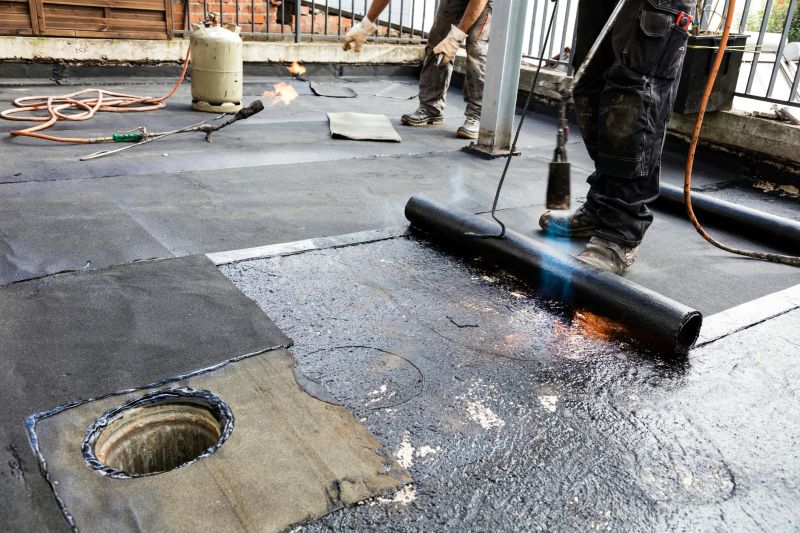
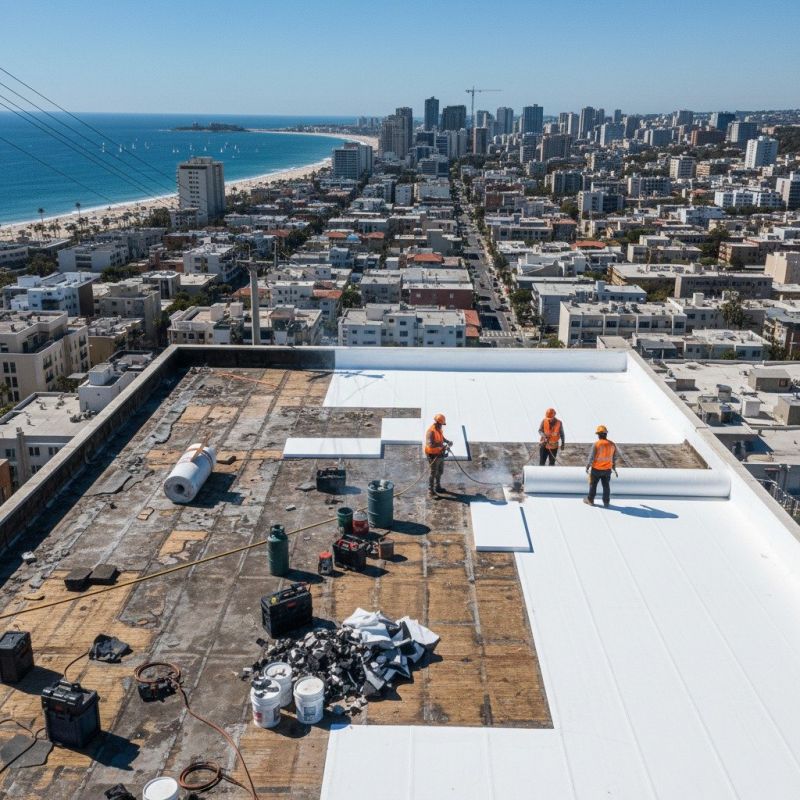

When homeowners search for signs it’s time for a flat or single-ply roof installation, they are often trying to determine whether their current roofing system is nearing the end of its lifespan or has developed issues that require more extensive repairs. Flat and single-ply roofs are common on commercial buildings and some residential properties, especially those with modern or industrial-style designs. People typically associate this search with noticing visible damage, such as cracks, blistering, or pooling water, which can indicate that the existing roof is no longer performing effectively. Recognizing these signs early can help property owners plan for replacement before leaks or structural problems develop, making it a practical concern linked to property maintenance and renovation projects.
This topic also relates to property plans that involve upgrades or renovations aimed at improving energy efficiency, waterproofing, or overall durability. For example, a property owner might be considering a flat roof replacement to better withstand weather conditions or to accommodate additional rooftop equipment. Additionally, signs it’s time for a flat or single-ply roof installation often emerge when repairs become frequent or cost-prohibitive, prompting a decision to replace the entire system rather than patching isolated issues. Local contractors who specialize in flat and single-ply roofing can assess the condition of existing roofs, identify underlying problems, and recommend appropriate solutions that align with the property’s long-term needs.
The types of properties that typically come up in this context include commercial office buildings, warehouses, apartment complexes, and industrial facilities. These structures often feature flat roofs because of their functional advantages, such as providing space for HVAC units, solar panels, or rooftop gardens. Some residential properties, especially multi-family units or homes with flat or low-slope roofs, may also encounter these signs when their roofs age or sustain damage. In all cases, understanding the specific signs that indicate a roof’s decline helps property owners decide when a new flat or single-ply roof installation is necessary. Local service providers experienced in this work can evaluate the property’s unique conditions and recommend the best course of action to ensure a durable, long-lasting roof system.
Roof repair projects - repairs on existing flat or single-ply roofs often require similar planning, tools, and surface preparation as installations, making them relevant for comparison.
Commercial roofing replacements - replacing older commercial roofs with flat or single-ply systems involves similar assessment and installation techniques used in new installations.
Roof membrane installations - installing membrane roofing materials shares skills with single-ply roofing projects, focusing on seamless application and weatherproofing.
Roof coating applications - applying protective coatings to flat roofs requires surface prep and material handling skills comparable to those needed for new roof installations.
Emergency roof leak repairs - quick repairs on flat roofs often involve similar tools and planning as larger installation projects, especially when removing and replacing damaged sections.
Flat roof inspection services - inspections identify issues that may indicate the need for a flat or single-ply roof installation, requiring knowledge of roofing materials and system performance.
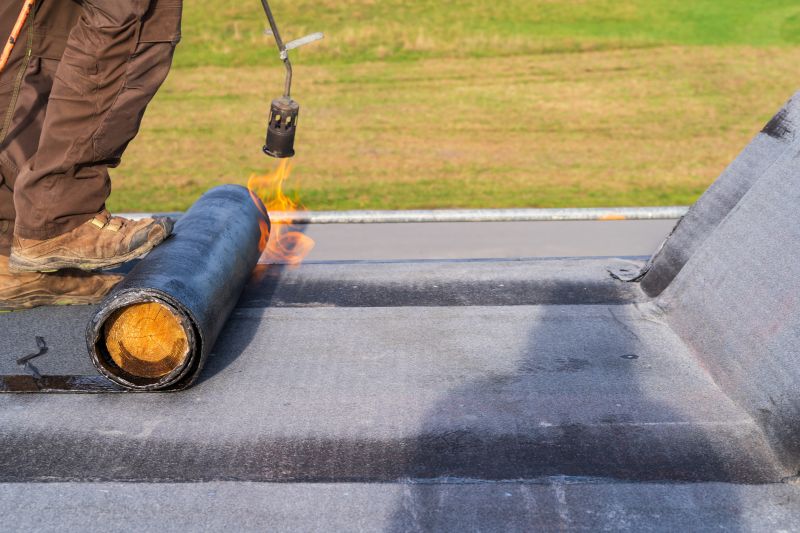
When evaluating service providers for a flat or single-ply roof installation, it is important to consider their experience with similar projects. Homeowners should inquire about how many flat or single-ply roof installations the contractor has completed and whether they have handled projects in comparable building types or climates. An experienced contractor is more likely to understand the unique challenges associated with this roofing style and to provide insights into best practices, ensuring the installation aligns with the specific needs of the property.
Clear written expectations are essential to ensure both parties are aligned on the scope and details of the work. Homeowners should seek service providers who can provide detailed proposals or estimates that outline the work involved, materials to be used, and any warranties or guarantees. Having this information in writing helps prevent misunderstandings and provides a reference point throughout the project, making it easier to compare different contractors and assess their professionalism and transparency.
Reputable references and effective communication are key indicators of a reliable service provider. Homeowners are encouraged to ask for references from previous clients who had similar flat or single-ply roof projects completed. Speaking with past customers can provide insights into the contractor’s workmanship, professionalism, and ability to meet deadlines. Additionally, contractors who communicate clearly and promptly-whether through phone, email, or in-person discussions-demonstrate a commitment to client satisfaction and are more likely to deliver a smooth, stress-free installation process.
Property owners often search for signs it’s time for a flat or single-ply roof installation when they are planning practical projects around their homes and businesses. Local pros provide Flat or Single-Ply Roof Installation services for everyday jobs and straightforward project options.
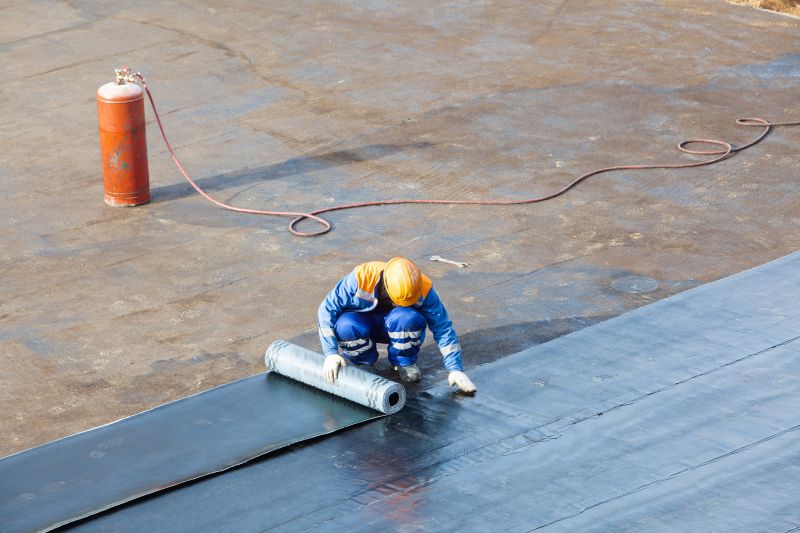
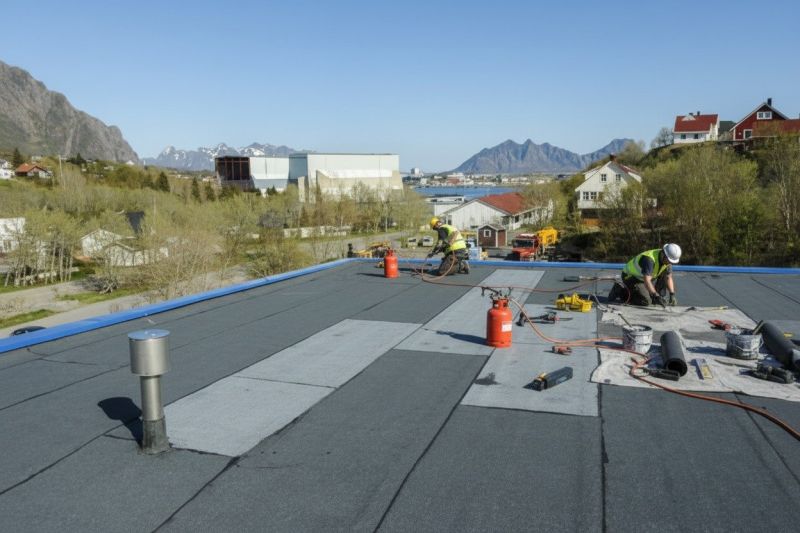
Property owners noticing persistent leaks or water stains on ceilings and walls may be experiencing signs it’s time for a flat or single-ply roof installation. Over time, roofs can develop cracks, blisters, or punctures that compromise their ability to keep the building protected. When these issues become frequent or severe, local contractors who specialize in flat roofing systems can assess the situation and recommend replacement options to ensure the property remains weatherproof and structurally sound.
Other common indicators include visible surface deterioration, such as cracking, blistering, or significant pooling of water after rain. These problems often signal that the existing roofing material has reached the end of its lifespan or is no longer functioning effectively. Property owners facing these conditions might consider consulting with local service providers who can install new flat or single-ply roofing systems, helping to restore the integrity and durability of the roof for years to come.
What are common signs that a flat or single-ply roof needs replacement? Visible damage such as cracking, blistering, or extensive ponding water can indicate it’s time for a flat or single-ply roof installation. If the roof shows widespread deterioration or leaks, local contractors may recommend a new installation to ensure proper protection.
How can age affect the condition of a flat or single-ply roof? Over time, exposure to weather elements can weaken roofing materials, leading to cracks and material breakdown. When a roof reaches its expected lifespan or shows signs of aging, local service providers might suggest a replacement to maintain roof integrity.
What impact do leaks and water damage have on deciding for a new roof? Persistent leaks or water damage inside the building often point to compromised roofing materials. If repairs no longer suffice, local contractors can install a new flat or single-ply roof to prevent further issues.
Are there any visual indicators that suggest a roof is nearing the end of its service life? Signs such as bubbling, blistering, or visible membrane deterioration can signal that a flat or single-ply roof needs replacement. Local pros can assess these signs and recommend appropriate installation services.
What role does roof membrane condition play in determining the need for a new installation? If the roof membrane is cracked, torn, or severely worn, it may no longer provide adequate protection. In such cases, local contractors can handle a new flat or single-ply roof installation to restore durability.
Persistent leaks or water damage - noticing ongoing leaks or water stains on ceilings can indicate the need for a new flat or single-ply roof installation handled by local contractors.
Worn or aged roofing material - when existing roofing materials show significant wear, cracking, or curling, it may be time to consider a replacement with flat or single-ply roofing services.
Frequent repairs or patchwork - if repairs are becoming more frequent and less effective, property owners might explore installing a new flat or single-ply roof with local service providers.
Roof surface deterioration or blistering - visible surface deterioration, blistering, or membrane bubbling can signal that a flat or single-ply roof installation is needed to ensure long-term protection.
If you are thinking about signs it’s time for a flat or single-ply roof installation for a property, this guide is meant to help you understand this topic, the typical project types, and how different options might fit your plans.
When you are ready, you can use the quote form on this page to share a few details about your project. From there, local pros can review the basics and follow up with options that match what you have in mind.